Fire & Smoke Damage Restoration in Connecticut

How Fire and Smoke Damage Affect a Property

Call Now!

Our Fire Damage Restoration Process

Fire damage is rarely as contained as it first looks. Flames may stay confined to one room, but smoke, soot, and water travel far beyond it, often into parts of a home or building the fire never touched. At Pro-Klean, our IICRC-certified technicians see this pattern on nearly every fire and smoke damage call across Connecticut: the visible damage is only part of the story.

Smoke moves fast. It works through doorways, vents, and the smallest gaps, settling into walls, ceilings, insulation, furniture, and HVAC systems. What it leaves behind isn't just residue. Soot is often acidic, so it keeps breaking down surfaces long after the fire is out. Left untreated, that means discoloration, metal corrosion, embedded odors, and indoor air quality problems that can affect a household for months.

Water tells a similar story. The water used to extinguish a fire soaks into floors, drywall, and framing, and that moisture doesn't always announce itself right away. Left in place, it warps and weakens structural materials. In many Connecticut homes, especially older construction, trapped moisture can lead to mold growth weeks after a fire that looked minor at the time.

This is exactly why fire and smoke damage restoration has to go beyond cleaning what's visibly burned. It takes trained eyes to know how soot, smoke residue, and moisture behave in different materials, from drywall to wood framing to ductwork, and where they're likely hiding. For Connecticut property owners, that's the real risk after a fire: not what you can see, but what you can't. If you've had a fire, our team is ready to assess the full extent of the damage before it turns into a bigger problem.

Schedule a Free Consultation

Our Fire Damage Restoration Process.jpg

What Is Fire and Smoke Damage?

Fire and smoke damage is the combined harm caused by flames, heat, smoke particles, soot, and the water used to put a fire out. Most of that damage isn't limited to what actually burned. In many cases, the flames cause the least of it.

Fire damage is the direct destruction caused by flames and extreme heat: charred framing, warped materials, damaged wiring, weakened structural components. Heat doesn't stay put. It travels through walls, ceilings, and floors, compromising materials that can still look intact from the outside.

Smoke damage happens as smoke moves through a structure, leaving behind fine particles and gases. Those particles are small enough to work into wall cavities, insulation, furniture, fabrics, and HVAC systems, which is why lingering odors, staining, and air quality issues often turn up in rooms that were never near the fire.

Soot is one of the most damaging byproducts, and one of the most misunderstood. It shows up as a black or greasy film, but the real damage is chemical: soot residue is typically acidic, so it keeps breaking down whatever it's sitting on. Handled incorrectly, it can permanently damage finishes, corrode metal fixtures, and spread contamination rather than remove it, which is one reason our technicians use different cleaning methods depending on the soot type.

Water damage rounds out the picture. Water used to fight the fire soaks into walls, floors, and belongings, and trapped moisture that isn't fully dried out can lead to swelling, weakened materials, and mold growth within days. Fire, smoke, soot, and water rarely show up alone, which is exactly why restoration has to address all four together, not just the parts that are easiest to see.

Our Fire Damage Restoration Process1.jpeg

Why Fire and Smoke Damage Is Dangerous

The danger in fire and smoke damage isn't just what's destroyed. It's what keeps getting worse after the fire is out.

Smoke residue often carries toxic compounds that affect indoor air quality long after the flames are gone, and it doesn't stay contained. Particles can circulate through HVAC systems and resettle on surfaces throughout a property. That's a real health concern for anyone in the home, but especially for children, older adults, and people with asthma or other respiratory conditions.

Soot compounds the problem chemically. Left in place, it continues corroding metal fixtures and degrading finishes, which means the damage bill grows the longer it sits untouched. What looks like a cosmetic cleanup job on day one can become a structural repair job by week three.

Water adds a third layer of risk. Moisture trapped in walls, floors, and insulation weakens building materials and creates ideal conditions for mold growth, which introduces its own health and air quality concerns on top of the fire damage itself.

This is why our technicians treat time as one of the biggest variables in a fire loss. In our experience across Connecticut properties, the properties that come back fastest, and cheapest, are the ones where restoration starts within the first 24 to 48 hours. Wait longer than that, and a fire loss stops being one problem and starts becoming three: fire, moisture, and mold, each with its own health risks and repair costs.

Our Fire Damage Restoration2.jpeg

What Professional Fire and Smoke Damage Restoration Involves

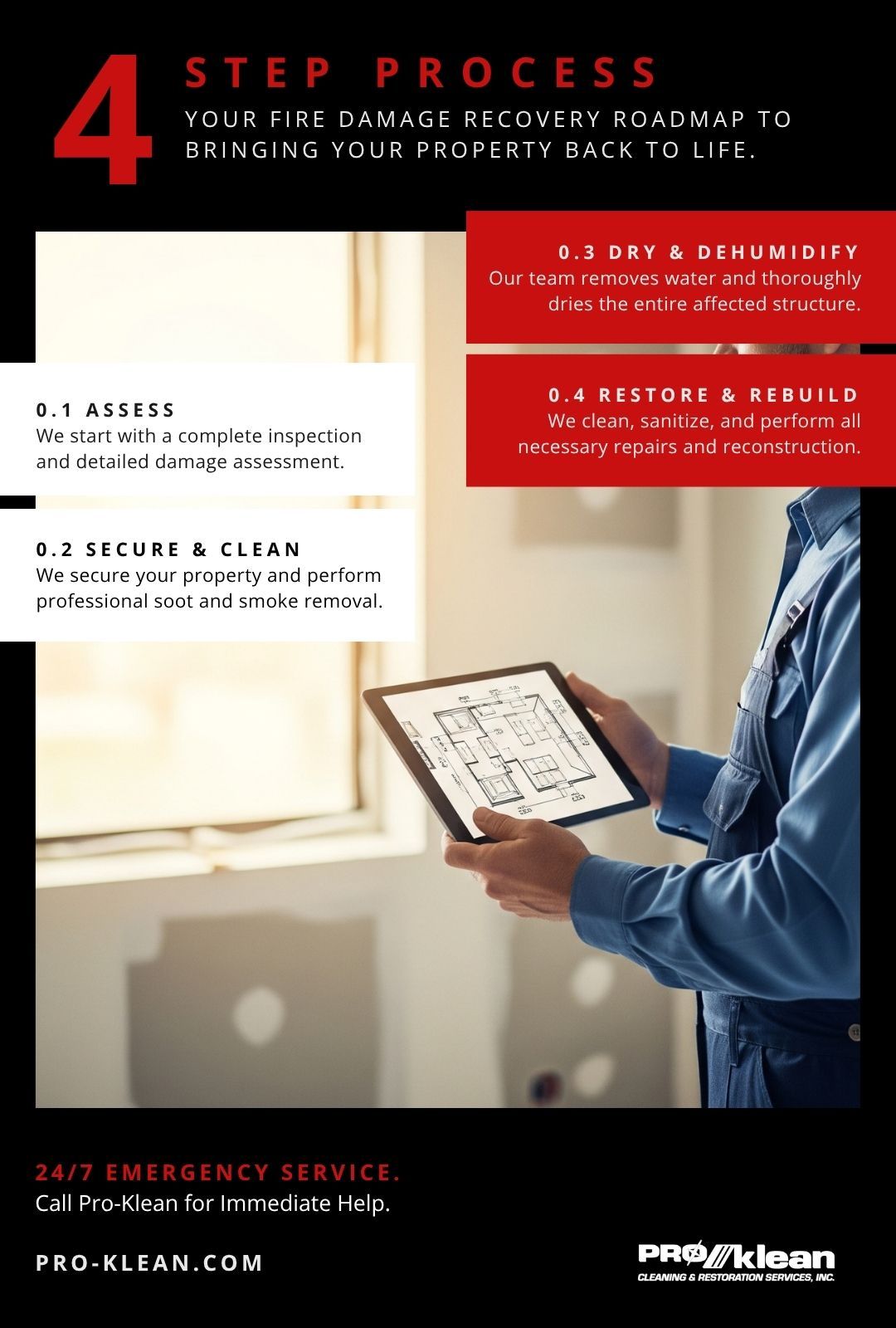
Every fire loss is different, but our process at Pro-Klean follows the same four stages on every job, in the same order, because skipping a step is how secondary damage gets missed.

Initial Inspection and Damage Assessment

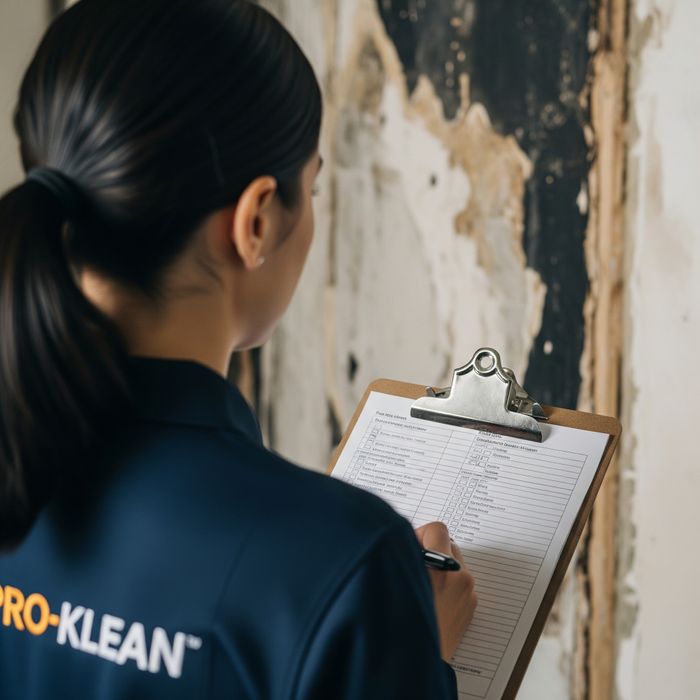
We start with a full, hands-on inspection of the property. Our technicians evaluate the extent of fire, smoke, soot, and water damage, and flag any safety concerns before work begins. This assessment is what determines the rest of the plan: what's salvageable, what needs replacement, and what has to happen immediately to stop further damage.

Board-Up, Tarping, and Soot Removal

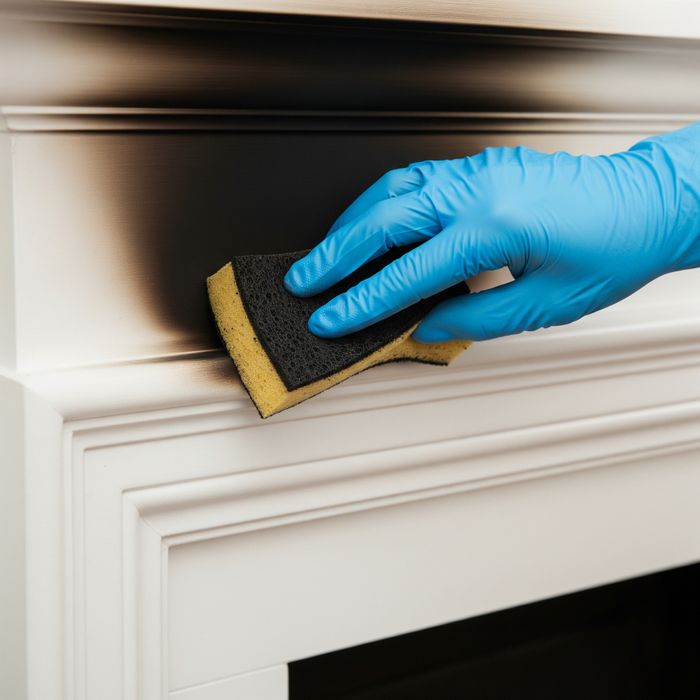
If the property is exposed to weather or unauthorized entry, we secure it right away with emergency board-ups and roof tarps. Once it's stabilized, soot removal begins. Different soot types call for different techniques, so our team uses specialized equipment matched to the type of damage rather than a one-size-fits-all approach.

Water Removal and Structural Drying

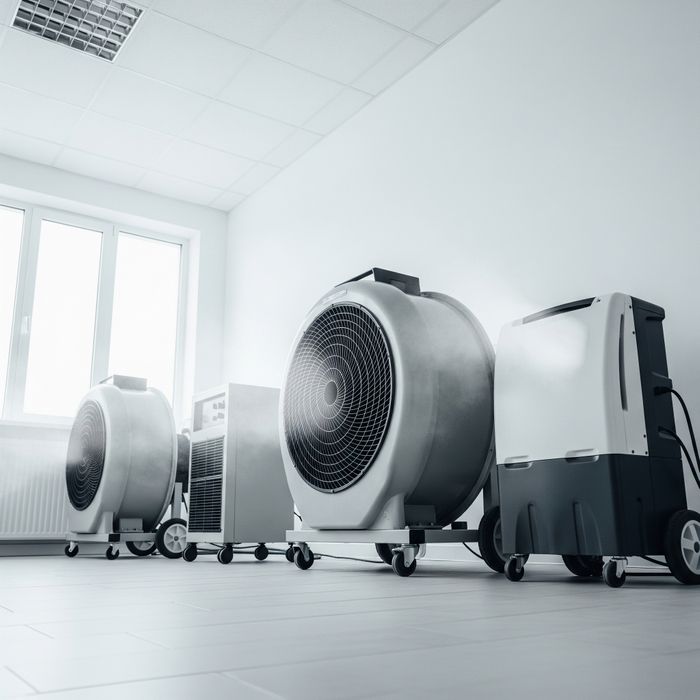
Firefighting water has to come out fast. We use industrial-grade extractors, dehumidifiers, and air movers to remove standing water and dry every affected area completely, not just the surfaces that look wet. This step is what prevents mold growth and material deterioration from turning into a second restoration project on top of the first.

Cleaning, Sanitizing, and Final Restoration

Once everything is dry, we move into cleaning, sanitizing, and deodorizing salvageable structures and contents. Depending on the severity of the damage, this stage can mean anything from surface cleaning and odor treatment to drywall replacement, painting, or full reconstruction. The goal at every step is the same: get the property back to safe, clean, and livable, not just repaired on paper.

If you're facing any of these stages right now, our IICRC-certified team is available to walk your property and get a plan started today.

Our Fire Damage Restoration3.jpeg

When Fire and Smoke Damage Becomes an Emergency

Fire and smoke damage doesn't stop causing problems once the flames are out. Smoke keeps settling, moisture stays trapped in materials, and structural components can keep weakening for days or weeks. That's what makes it an emergency rather than a repair job you can schedule for next month.

Call for professional restoration right away if you notice any of the following:

  • Visible structural damage to walls, ceilings, or framing
  • Lingering smoke odor, even after ventilating the space
  • Soot residue on surfaces, especially near electrical outlets or HVAC vents
  • Water saturation in carpets, drywall, or flooring
  • Damage near electrical systems, HVAC components, or load-bearing walls

Damage to electrical or structural systems is a safety issue first, not just a restoration one. And even a property that looks stable on the surface can have hidden damage behind walls, under flooring, or inside ceilings that only a trained inspection will catch.

Timing also matters for your insurance claim. Prompt assessment and documentation establishes the full extent of the loss early, before secondary issues like corrosion or mold complicate the picture, and that typically means a smoother claims process and lower repair costs overall.

Every fire loss is different, which is exactly why a professional evaluation, not a guess, is the safest way to determine how urgent your situation really is. When in doubt, treat it as time-sensitive. Pro-Klean offers emergency response for exactly these situations.

Our Fire Damage Restoration Process4.jpeg

What to Do and What Not to Do After a Fire

What you do in the first hours after a fire has a real effect on both your safety and how well your property recovers. Here's what our technicians tell every property owner.

Do:

  • Wait until the structure is officially cleared as safe before reentering. Weakened floors, walls, and ceilings aren't always visible from the doorway.
  • Document visible damage with photos or video as soon as it's safe to do so, for your own records and your insurance claim.
  • Contact a restoration professional before attempting any cleanup yourself.

Don't:

  • Clean soot with household cleaners. It spreads residue further and can permanently damage surfaces underneath.
  • Turn HVAC systems back on too soon. Doing so circulates smoke particles throughout the property and can contaminate rooms that were otherwise untouched.
  • Handle fire-damaged materials without protective gear. Residues and airborne particles can pose real health risks.
  • Ignore standing water or damp materials. Left alone, trapped moisture leads to mold growth and material deterioration within days, and every day it sits raises the cost of restoration.

Fire damage combines structural, chemical, and environmental risks all at once, which is exactly why a professional evaluation, not guesswork, is the safest way to figure out next steps. Pro-Klean's team can walk you through exactly what's safe to do and what to leave to us.

Common Causes of Residential Fires in Connecticut

Residential fires start for a lot of reasons, but a few causes show up again and again in Connecticut homes, largely because of the state's older housing stock, cold winters, and everyday household habits. Understanding these patterns helps explain why fire damage so often extends well past the room where it started.

Electrical issues are a leading cause, especially in older homes. Connecticut has one of the oldest housing stocks in the country, and aging wiring, overloaded circuits, and outdated panels can ignite fires behind walls or inside ceilings, spreading smoke and heat damage before anyone notices a problem.

Heating equipment is a close second, particularly in the colder months. Space heaters, furnaces, fireplaces, and wood stoves can ignite nearby materials when they're poorly maintained or used incorrectly, and chimney fires from creosote buildup can cause serious smoke and structural damage even when the flames themselves stay contained.

Cooking fires are common and usually preventable. Unattended food on the stove is the most frequent trigger, and grease fires in particular escalate fast, producing heavy smoke and soot that spreads through cabinets, walls, ceilings, and ventilation systems in minutes.

Seasonal factors add to the risk year-round: heavy heater use in winter, summer storms and lightning, power surges, renovation work, and improperly stored flammable materials. Connecticut's Office of the State Fire Marshal tracks fire data statewide specifically to identify these patterns and guide prevention efforts.

Whatever the ignition source, the result is usually the same: a combination of heat, smoke, soot, and firefighting water, not just one type of damage. That's why professional restoration addresses all of it together, rather than treating each type as a separate problem.

Fire Prevention and Safety Tips for Connecticut Property Owners

Not every fire is preventable, but most of the common ones are, and prevention usually comes down to routine maintenance and a few consistent habits.

Electrical systems

  • Have wiring, outlets, and panels inspected regularly, especially in homes built before the 1980s
  • Avoid overloading outlets or relying on extension cords as permanent wiring
  • Address flickering lights, warm outlets, or tripped breakers right away rather than waiting

Heating equipment

  • Have furnaces, fireplaces, and chimneys inspected and cleaned annually before winter
  • Keep space heaters at least three feet from anything flammable, and never leave them running unattended
  • Watch for creosote buildup in chimneys, a common source of contained but damaging fires

Everyday habits

  • Never leave cooking unattended, especially anything involving oil or grease
  • Store flammable materials (paint, cleaning solvents, gasoline) away from heat sources and out of living spaces
  • Install smoke alarms on every level of the home and test them monthly
  • Keep a fire extinguisher accessible in the kitchen and garage, and know how to use it

Have a plan

Know your exit routes, pick a meeting spot outside, and make sure everyone in the household knows both. In an actual fire, confusion costs time, and time is the one thing you can't get back.

Even the most careful property owners can still experience a fire. When that happens, knowing how professional restoration works is what turns a stressful situation into a manageable one.

Fire and Smoke Damage Restoration FAQs

Is smoke damage dangerous after the fire is out?

Yes. Smoke residue can contain toxic compounds that irritate the respiratory system and continue affecting indoor air quality long after the fire is extinguished. If it's not professionally removed, it stays embedded in surfaces and HVAC systems, and the contamination doesn't go away on its own.

How long does fire and smoke damage restoration take?

It depends on the extent of the damage. Minor smoke and soot damage can often be resolved in a few days to a couple of weeks. Larger losses involving structural repairs or full reconstruction can take several months. Pro-Klean provides a specific timeline once our initial inspection is complete.

Can smoke damage spread to areas not affected by flames?

Yes. Smoke particles are microscopic and travel easily through wall cavities, ventilation systems, and open doorways. A fire contained to one room can still leave odor and residue throughout an entire property.

Is fire damage restoration covered by insurance?

Often, yes, though coverage depends on your specific policy. Insurers typically require detailed documentation of the damage and prompt mitigation to avoid claim disputes over secondary issues. Pro-Klean works directly with property owners to document damage properly from the first visit.

Can I clean soot and smoke damage myself?

We don't recommend it. Household cleaners often spread soot residue further and can permanently damage the surface underneath. Soot and smoke cleanup calls for specialized equipment and techniques, and improper handling can expose you to harmful particles.

Is water damage always part of fire damage restoration?

Usually. Water from firefighting efforts soaks into building materials and belongings, and if it's not fully removed and dried, it leads to mold growth and structural weakening within days. That's why water removal and drying are standard parts of our restoration process, not an optional add-on.

When should professional fire damage restoration be contacted?

As soon as it's safe to do so, ideally within the first 24 to 48 hours. Early evaluation limits secondary damage and improves your outcome, even when the visible damage looks minor. Pro-Klean offers emergency response for exactly this reason.

When Professional Fire and Smoke Damage Restoration Is Needed

If you've made it this far, you already understand something a lot of property owners learn the hard way: fire damage is never just about what burned. Smoke residue, soot, and trapped moisture keep working on a property long after the fire is out, and by the time the problems are visible, they're usually bigger and more expensive than they needed to be.

That's the case for calling a professional the moment a fire happens, not after you've tried to handle it yourself. Every fire loss is different, and identifying hidden contamination, structural risk, and moisture damage takes training and equipment most property owners simply don't have on hand.

Pro-Klean has been restoring fire and smoke damaged properties across Connecticut for years, and our IICRC-certified technicians handle every stage of that process, from the first inspection to the final coat of paint, so you don't have to manage it alone.

If you're dealing with fire or smoke damage right now, don't wait. Contact Pro-Klean or call 203-752-9558 for a free consultation and let our team get your property, and your peace of mind, back to normal.

Get In Touch Today