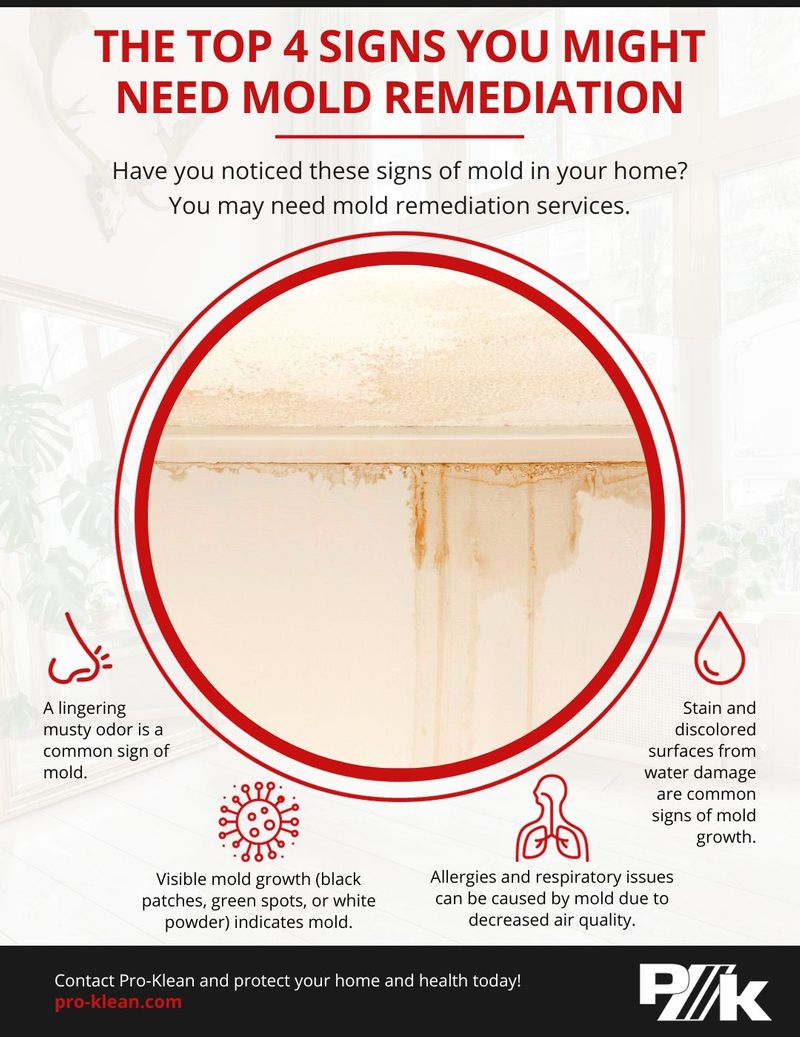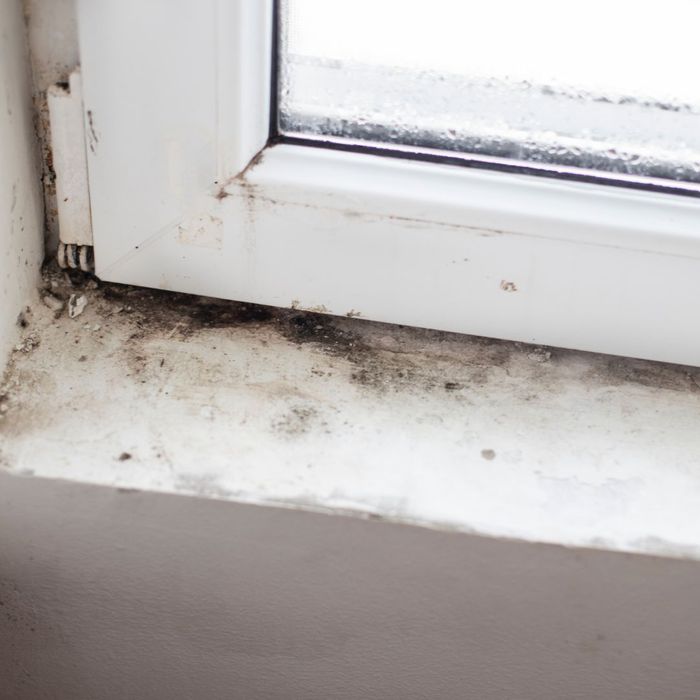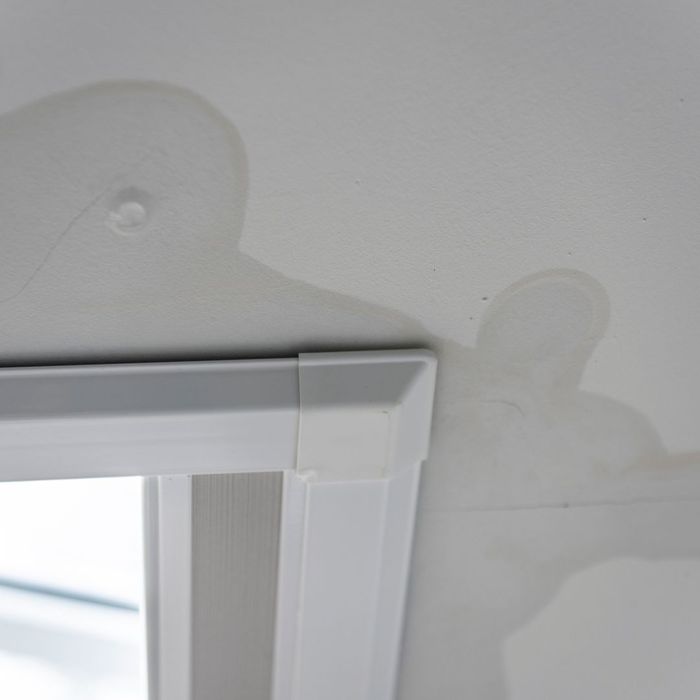
Mold is a common issue in Connecticut homes and buildings, particularly in spaces affected by excess moisture, limited airflow, or past water damage. While some mold problems are easy to spot, many develop quietly behind walls, beneath flooring, or in basements and crawl spaces. By the time mold becomes visible, it has often already spread beyond the original source.
Mold growth is more than a surface-level concern. It can impact indoor air quality, contribute to health symptoms, and damage building materials if left untreated. Connecticut’s climate, seasonal humidity, and older housing stock create conditions where mold can develop quickly, especially after leaks, flooding, or condensation during colder months.
Mold remediation is not simply a matter of cleaning visible growth. Proper remediation involves identifying the source of moisture, understanding how mold spreads, and addressing contamination safely to prevent recurrence. Knowing how to recognize mold, when it becomes a more serious issue, and what actions should and should not be taken can help property owners avoid making the problem worse.
This guide provides an overview of mold remediation for Connecticut property owners. It explains what mold is, why it can be dangerous, how to detect it, when it becomes an emergency, and what professional remediation typically involves, offering practical information to help you make informed decisions if mold is discovered.