Mold Remediation in Connecticut: A Guide for Property Owners

Mold Remediation Connecticut Guide

Mold is a common issue in Connecticut homes and commercial buildings, particularly in spaces affected by excess moisture, limited airflow, or past water damage. While some mold problems are easy to spot, many develop quietly behind walls, above ceilings, beneath flooring, or in basements and crawl spaces. By the time mold becomes visible, it has often already spread beyond the original source.

Mold growth is more than a surface-level concern. It can impact indoor air quality, contribute to health symptoms, and damage building materials if left untreated. Connecticut's climate, seasonal humidity, and older building stock create conditions where mold can develop quickly, especially after leaks, flooding, or condensation during colder months. In commercial and multi-tenant buildings, mold can also spread through shared ceilings, walls, and HVAC systems, affecting tenants, staff, and operations.

Mold remediation is not simply a matter of cleaning visible growth. Proper remediation involves identifying the source of moisture, understanding how mold spreads, and addressing contamination safely to prevent recurrence. Knowing how to recognize mold, when it becomes a more serious issue, and what actions should and should not be taken can help property owners avoid making the problem worse.

Pro-Klean, a family-owned North Haven company, has provided mold remediation and restoration for Connecticut homeowners, business owners, and facility managers since 1986.

What Is Mold and Why Does It Grow Indoors?

Mold is a type of fungus that exists naturally in the environment. Mold spores are always present in the air, both indoors and outdoors. On their own, these spores are not a problem. Mold begins to grow when spores land on damp or humid surfaces and are given the right conditions to multiply.

Indoors, mold growth is almost always tied to moisture. Leaks, flooding, condensation, and high indoor humidity provide the water mold needs to grow. Common building materials, such as drywall, wood, insulation, carpet, and ceiling tiles, can all support mold growth when they become damp. Mold does not need standing water to spread. Even elevated humidity or minor moisture issues over time can be enough. In commercial buildings, moisture often collects in less visible places, such as above ceiling tiles, inside wall assemblies, in mechanical rooms, and around HVAC equipment.

Mold can begin developing within a relatively short period after moisture is introduced. In some cases, growth can start within 24 to 48 hours, particularly in warm or poorly ventilated areas. Because mold often grows out of sight, behind walls, above ceilings, or under flooring, it may continue to spread long before it is noticed. Without identifying and correcting the underlying moisture source, mold is likely to return even after visible growth is removed.

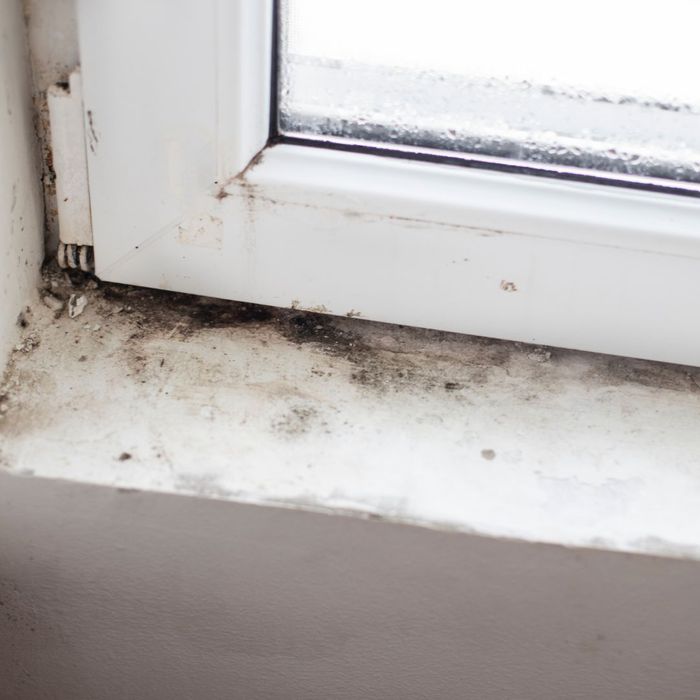
Mold by window

Is Mold Dangerous to Your Health and Home?

Yes, indoor mold can affect both your health and your property. It releases spores and tiny particles into the air, it can damage the materials it grows on, and it usually signals a moisture problem that will keep getting worse until it is fixed.

  • Health effects - Mold exposure can cause coughing, congestion, headaches, and irritation of the eyes, nose, throat, or skin. People with asthma, allergies, respiratory conditions, or weakened immune systems are more sensitive, and children and older adults can be affected more as well. Symptoms are not always obvious or immediate, so someone can feel unwell for a long time without connecting it to the building. In offices, schools, and multi-tenant properties, repeated complaints about air quality or musty odors are often the first sign. If symptoms are severe, such as difficulty breathing, seek medical care.
  • Damage to the building - Mold feeds on organic materials like drywall, wood framing, insulation, ceiling tiles, and subflooring. As it grows, these materials can weaken, stain, and break down, and sometimes they must be removed instead of cleaned. In Connecticut, where basements, crawl spaces, and older construction are common, this damage often spreads out of sight before anyone notices. In commercial buildings, it can also reach HVAC systems, equipment, and stored inventory, and it can raise tenant and staff concerns for owners and property managers.
  • A moisture problem underneath - Mold almost always points to a leak, groundwater intrusion, or high humidity. If that source is not fixed, mold returns, and so do the health risks and repair costs.

Is black mold more dangerous than other mold? Not necessarily. Color does not reliably tell you how harmful a mold is, and the type can only be identified through testing. For that reason, indoor mold of any color is generally treated as something to address, not something to ignore.

Woman sneezing while on the couch with her dog

Signs You May Have Mold in Your Home

The most common signs of mold are a musty smell, visible spotting or discoloration, past or ongoing water damage, and health symptoms that get worse indoors. Mold often grows out of sight, so one sign on its own can be enough to take seriously.

  • Musty or earthy odor - A persistent smell, especially in basements, crawl spaces, bathrooms, closets, or near HVAC vents, is often the first sign, and it can appear before any growth is visible.
  • Visible spots or discoloration - Mold can look fuzzy, powdery, or slimy, and may be black, green, white, gray, or brown. Check walls, ceilings, ceiling tiles, insulation, wood, and the areas around windows, plumbing fixtures, and HVAC equipment.
  • Water stains and damaged materials - Peeling or bubbling paint, warped boards, sagging ceilings, stained ceiling tiles, and stains that return after cleaning usually point to moisture, which is what mold needs to grow.
  • Health symptoms that worsen indoors - Coughing, congestion, headaches, and irritation of the eyes, nose, or throat can be linked to mold, especially if they ease when you are away from the building. In offices and multi-tenant properties, several people reporting the same symptoms or odors can be an early sign.
  • Ongoing dampness or condensation - Windows that fog or drip, rooms that feel clammy, and materials that never fully dry create the conditions for mold.

Because mold often grows behind walls, above ceilings, under flooring, or inside HVAC systems, a building can have a problem even when little or nothing is visible. If you notice more than one of these signs, especially after a leak or flood, the next step is to check for moisture and hidden growth. In commercial and multi-tenant buildings, it also helps to document where and when signs appear and to report them to building management early.

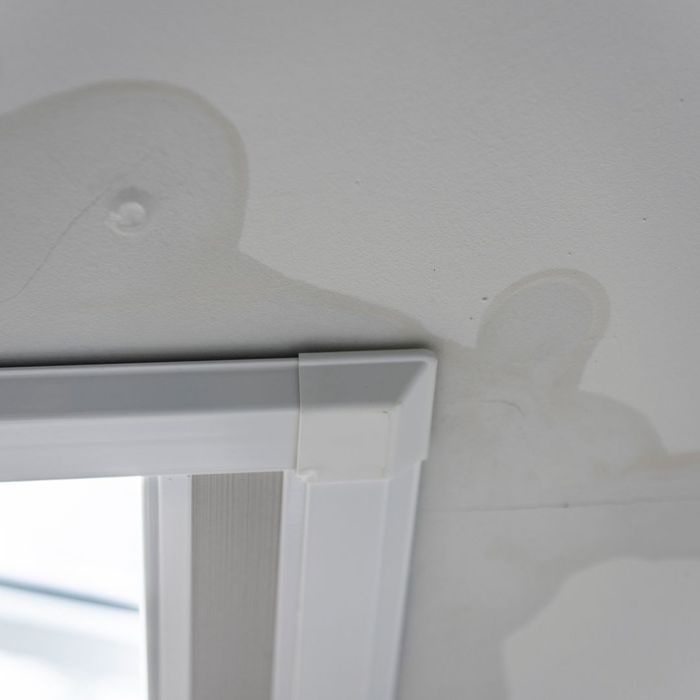
Water damage on ceiling

How to Detect Mold in Your Home or Building

The most reliable way to detect mold is to look for moisture first, then check for visible growth and odor in the places moisture collects. Mold needs water, so a damp area is the best place to start, and a professional inspection is the only way to confirm hidden growth.

  • Start with a visual check - Look around windows, under sinks, behind toilets, along basement walls, in ceiling corners, and around HVAC vents for staining, fuzzy or spotted growth, peeling paint, or warped materials. In commercial buildings, also check above and around ceiling tiles, mechanical rooms, roof penetrations, air handlers, and storage areas. Color alone does not tell you much, since mold can look very different from one surface to the next.
  • Follow your nose - A persistent musty or earthy smell, especially in a basement, crawl space, or closet, often points to mold even when nothing is visible. If the smell gets stronger when you run the heat or air conditioning, the HVAC system may be involved.
  • Check humidity and moisture - An inexpensive hygrometer shows the humidity level in a room, and readings that stay above about 50% are a warning sign. Professionals also use moisture meters to find damp materials behind walls and under floors, which is how hidden problems are usually found.
  • Be cautious with test kits - Store-bought kits can show that spores are present, but spores are in every building, so a positive result does not tell you whether there is a problem or how large it is. Guidance from agencies such as the EPA generally focuses on finding and fixing moisture instead of routine sampling.
  • Know when to bring in a professional - If you smell mold but cannot find it, if there has been a recent leak or flood, or if symptoms get worse indoors, a professional inspection can trace the moisture source, check hidden areas, and tell you how far the mold has spread. In commercial and multi-tenant buildings, photograph what you find, note the dates and locations, keep a record of complaints, and limit access to the area until it has been assessed, so the inspection starts from a clear record.

Early detection limits damage and keeps remediation smaller, so it is worth checking the moisture-prone areas of your building regularly, especially after heavy rain, snowmelt, or any water event.

Why Mold Grows in Connecticut Homes and Buildings

Mold grows in Connecticut homes and buildings because the state's seasons regularly put moisture where it does not belong: condensation in winter, humidity in summer, and water intrusion after storms and snowmelt. When that moisture is not controlled, mold can start within a day or two.

In winter, warm indoor air meets cold windows, exterior walls, and poorly insulated surfaces, and the resulting condensation soaks into drywall, wood, and insulation. Ice dams add to the problem, since water that backs up under roofing can run into attics and walls. In commercial buildings, condensation on HVAC equipment and ductwork can add to it. This moisture is often hidden, so mold can develop long before anything is visible. For more on this, see our ice dam damage restoration page.

In summer, high humidity affects basements, crawl spaces, and lower levels, where airflow is limited and materials stay damp. Properties near the shoreline and in low-lying areas can have the added challenge of groundwater and storm-driven water. Heavy rain, nor'easters, and tropical storms can push water into foundations and lower levels, and flat or low-slope commercial roofs can let water pool and leak into the spaces below, which is why mold often follows a storm. For what to do after a water event, see our guide to water damage restoration in Connecticut, and for storm-related losses, our guide to wind and storm damage in Connecticut.

Building stock matters too. Many Connecticut homes and commercial buildings are older, with below-grade spaces, stone or block foundations, and construction materials that are more vulnerable to moisture intrusion. Small leaks, groundwater seepage, and seasonal rain or snowmelt can go unnoticed in these areas, and mold tends to return unless the underlying moisture problem is fixed.

When Mold Becomes an Emergency

Not every mold problem is urgent, but some are, and waiting can make them much larger and more expensive. Mold becomes an emergency when it is tied to a recent water event, when it is spreading, when it affects someone's health, or when it reaches critical parts of the building.

After flooding, a sewage backup, or a major leak, mold can start within 24 to 48 hours. If water has been sitting in a building, or mold is appearing soon after a water event, the contamination is likely to spread quickly. Sewage backups add a separate health hazard, so keep people and pets away from the area.

When health symptoms are involved, the situation is more urgent. If anyone in the building has worsening breathing problems, allergic reactions, or other symptoms that seem to get worse indoors, mold may be a factor. Children, older adults, and people with asthma, allergies, or weakened immune systems are the most affected. In offices, schools, and multi-tenant properties, several people reporting the same symptoms is a reason to act quickly. Anyone with severe symptoms, like difficulty breathing, should seek medical care.

When mold reaches HVAC systems, electrical components, or structural materials, the risk goes beyond air quality. Mold in ductwork can spread spores throughout the building, and in commercial properties a shared HVAC system can carry them to other tenants and spaces. Moisture near electrical systems is a safety hazard. If you suspect water around electrical components, avoid the area and shut off power only if it is safe to do so.

If any of this sounds familiar, take these steps right away: stop the water source if you can, keep people out of the affected area, and avoid disturbing the mold. In commercial and multi-tenant buildings, also notify building management or ownership and keep a record of what was found and when. Then call a professional. Pro-Klean offers 24/7 emergency response across Connecticut, including for occupied commercial properties. For more on the process, see our Mold Remediation Services page and our commercial restoration services.

What Not to Do When Mold Is Discovered

When you find mold, the instinct is to deal with it right away. But a few common reactions can spread the contamination or hide the real problem, which makes remediation harder and more expensive.

Don't scrub or spray it away - Wiping or scrubbing visible mold, or spraying it with household cleaners or bleach, may make the surface look better, but it rarely reaches hidden growth and can send spores into the air. On porous materials like drywall and wood, mold roots below the surface, so surface cleaning usually does not solve it. In commercial buildings, the same applies to in-house cleaning or patching by maintenance staff or general contractors without containment.

Don't paint or caulk over it - Covering mold hides it without removing it, and the moisture underneath will keep feeding it. The growth often returns and shows through the new finish.

Don't run fans or HVAC to dry the area - Moving air can carry spores to other rooms and into ductwork. In buildings with shared HVAC, that can spread spores to other tenants and spaces. If mold may be present, limit airflow through the area until it has been evaluated.

Don't cut into walls, insulation, or flooring without containment - Opening affected materials releases mold particles into the air and can contaminate adjacent rooms, turning a contained problem into a building-wide one. Moving affected materials or equipment through occupied areas can do the same.

Don't ignore small or isolated spots - A small patch often points to a larger hidden problem, especially in places with ongoing moisture. If you correct only what you can see, the mold usually returns. In occupied buildings, waiting for several tenants or staff to complain before acting usually means the problem is already spreading.

If anyone in the building has asthma, allergies, or a weakened immune system, keep them out of the affected area. What to do instead is simple: stop the water source if you can do so safely, avoid disturbing the mold, and have it professionally evaluated.

What Professional Mold Remediation Involves

Professional mold remediation removes mold safely and fixes the moisture problem behind it, so it does not return. Our process starts with an inspection to find where mold is present, how far it has spread, and what moisture source allowed it to grow, including hidden areas behind walls and under flooring.

Next, the work area is sealed off with containment barriers, and HEPA air filtration is used to capture airborne spores so they do not spread to clean parts of the building. Porous materials that cannot be cleaned, such as damaged drywall, insulation, or carpet, are removed and disposed of properly. Salvageable surfaces like framing are cleaned and treated based on the material and severity.

Moisture control comes next. Remaining materials are dried, humidity is reduced, and leaks or other moisture sources are corrected or flagged for repair. Once the work is done, the area is inspected to confirm conditions are safe, and removed materials can be replaced so the space returns to normal use.

The timeline depends on the size of the affected area and how much moisture is involved. Small projects may take a few days, while larger or hidden contamination takes longer. We document each project and provide the detailed estimates, inventories, and supporting documentation insurance carriers require.

Remediation in Occupied Commercial Buildings

In occupied commercial and multi-tenant buildings, remediation is planned around the people and operations inside. Containment keeps affected areas isolated while unaffected spaces stay in use where it is safe, and work can be phased around business hours, tenant schedules, and access needs. Owners, property managers, and carriers also need a shared record of what was found, what was done, and how conditions were verified, so documentation and clear communication are part of the project from the start.

To learn more, visit our Mold Remediation Services page and our commercial restoration services, or request an assessment if you suspect mold.

Preventing Mold After Remediation

Mold spores are always present in the air, so prevention is about moisture, not spores. Remediation removes the mold, but it will return if the conditions that caused it are still there. Keeping indoor humidity roughly between 30% and 50% and fixing water problems quickly are the two most effective steps.

Practical Steps for Connecticut Homes and Buildings

  • Fix the water source first - Repair roof leaks, plumbing leaks, and failing seals, and improve drainage and grading around the foundation.
  • Control humidity - Use a dehumidifier in basements and crawl spaces, especially in summer, and a hygrometer to keep track of the level.
  • Ventilate wet rooms and keep air moving - Run bathroom fans during and after showers, vent dryers and kitchen exhaust outdoors, and leave space between furniture and exterior walls.
  • Manage winter condensation - Watch windows and exterior walls for moisture, and improve insulation or airflow where it keeps forming.
  • Maintain HVAC and roofs - In commercial buildings, keep HVAC equipment and condensate drains serviced, keep roof drains clear, and inspect flat roofs and penetrations after heavy rain and storms.
  • Dry water events within 24 to 48 hours - After a leak, flood, or spill, remove standing water and dry materials quickly, or call a professional. See our guide to water damage restoration in Connecticut for what to do.
  • Make reporting easy - In multi-tenant buildings, give tenants and staff a simple way to report leaks, odors, and water stains early.
  • Re-check past problem areas - Inspect basements, attics, and prior mold areas after heavy rain, snowmelt, and seasonal changes.

Prevention only works if the moisture source is fixed. If you see recurring dampness, a musty smell, or new staining, don't wait. Have it evaluated to find out whether mold or hidden moisture has returned. For a closer look at how mold is removed, see our Mold Remediation Services page.

Mold Remediation FAQs

Is all mold dangerous?

Not all mold affects people the same way, and some people notice no symptoms at all. But indoor mold can irritate the eyes, nose, throat, and lungs, and it is more of a concern for people with asthma, allergies, or weakened immune systems. Because the type of mold cannot be identified by color or appearance, indoor mold of any kind is generally treated as something to fix and not ignore.

How much does mold remediation cost?

Cost depends on how large the affected area is, which materials are involved, how hard the mold is to reach, and whether the moisture source also needs repair. Small, contained areas cost far less than widespread contamination in walls or HVAC systems. Because every property is different, an on-site inspection is the only reliable way to get an accurate estimate.

How long does mold remediation take?

It depends on the size of the affected area, the materials involved, and how much moisture is present. A small, contained area may take a few days, while widespread or hidden mold can take a week or more, especially if drying and rebuilding are involved. A professional inspection is the only way to give a reliable estimate for a specific property.

Does bleach kill mold?

Bleach can lighten surface stains on non-porous materials, but it does not reliably reach mold growing in porous materials like drywall and wood, and the moisture that caused the mold is still there. Mixing bleach with other cleaners can also create dangerous fumes. Fixing the moisture source and removing affected materials is what solves the problem.

Does homeowners insurance cover mold remediation?

It depends on the policy and the cause. Coverage is more likely when mold results from a sudden, covered event like a burst pipe, and less likely when it comes from long-term neglect or ongoing humidity. Check your policy and contact your insurer early, and keep photos and records of the damage.

Being vigilant about the signs of mold growth in your home is essential for maintaining a safe and healthy living environment. Identifying and addressing mold problems early on can save you from more extensive damage and potential health risks in the future. Contact Pro-Klean for mold remediation services in Connecticut today!

Free Consultation